News
Released In 1969, This Dark And Haunting Song Captured A World On The Edge — And Became One Of Rock’s Greatest Masterpieces
Some songs entertain. Some become hits. And then there are songs that seem to capture an entire moment in history so perfectly that they continue to resonate decades later. The Rolling Stones’ “Gimme Shelter” is one of those rare recordings. More than just a rock song, it is a chilling portrait of fear, uncertainty, and chaos at a time when the world seemed to be coming apart at the seams.
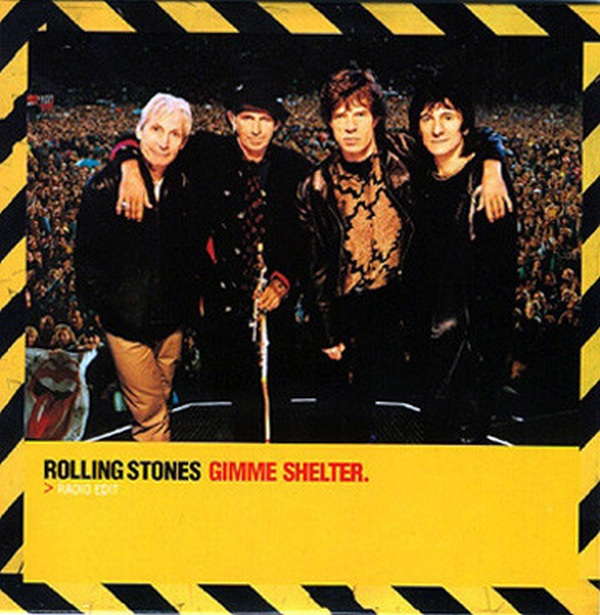
Released in 1969 as the opening track on the album Let It Bleed, “Gimme Shelter” arrived during one of the most turbulent periods of the twentieth century.
The Vietnam War dominated headlines, political assassinations had shaken public confidence, protests erupted across the globe, and a generation was struggling to make sense of a rapidly changing world. While many artists responded to the era with messages of hope or rebellion, The Rolling Stones chose a different path. They created a song that felt like a storm approaching on the horizon.
From the very first notes, “Gimme Shelter” establishes an atmosphere unlike almost anything else in rock music. Keith Richards’ haunting guitar introduction sounds distant and ominous, as though danger is slowly emerging from the darkness. The effect is immediate. Even before a single lyric is sung, listeners sense that something unsettling is about to unfold. Few songs have ever created such tension so quickly or so effectively.
According to Richards, the song began while he was watching a violent storm approach from the window of a friend’s apartment. But the gathering clouds soon became a metaphor for something much larger.
The world itself seemed to be entering a storm. Social unrest, war, and violence were dominating daily life, and those anxieties found their way into the music. What started as an observation of the weather evolved into one of the most powerful reflections of an era ever recorded.
When Mick Jagger’s vocals enter, the lyrics paint a bleak picture of a world consumed by fear. References to war, violence, and uncertainty run throughout the song, creating a sense that safety itself has become fragile. Yet despite its darkness, “Gimme Shelter” never feels hopeless. The repeated plea for shelter suggests a search for protection, humanity, and connection amid the chaos. The song acknowledges danger without surrendering to it.
One of the most unforgettable moments in rock history arrives midway through the recording with the appearance of singer Merry Clayton. Brought into the studio late at night, Clayton delivered a vocal performance that transformed the song forever.
Her powerful response to Jagger’s lead vocals injects an almost spiritual intensity into the recording. As she sings about violence and tragedy, her voice conveys both terror and resilience, elevating the song to another emotional level entirely.
The story behind that recording session has become legendary. During one take, Clayton’s voice cracked while delivering a particularly intense line. Rather than weakening the performance, the imperfection made it even more powerful. The raw emotion captured in that moment became one of the defining features of the song. Decades later, listeners still point to her contribution as one of the greatest guest vocal performances ever recorded.
Musically, “Gimme Shelter” is a masterpiece of atmosphere and restraint. Unlike many rock songs of its era that relied on overwhelming volume and aggression, this recording builds tension gradually. Every instrument serves the mood.
The guitars shimmer ominously, the rhythm section creates a sense of relentless movement, and the vocals hover somewhere between warning and prayer. The result is a song that feels cinematic long before that term became common in music criticism.
Although “Gimme Shelter” was never released as a major hit single in the same way as some of The Rolling Stones’ other classics, its reputation steadily grew over time. Critics and fans began recognizing it as one of the band’s greatest achievements. Many now consider it the finest song in the Stones’ vast catalog, a remarkable accomplishment for a group responsible for so many iconic recordings.
Part of the song’s enduring appeal is that its themes remain relevant. Every generation experiences moments of uncertainty, conflict, and fear. While the specific events that inspired “Gimme Shelter” belong to the late 1960s, the emotions at its core are universal. Listeners continue to hear echoes of their own anxieties and challenges within the song, giving it a timeless quality that few recordings achieve.
The track has also become a staple of countless films, documentaries, and television shows. Directors frequently use it to signal danger, tension, or social unrest because the song instantly creates an emotional atmosphere. Yet even after decades of exposure, it has never lost its impact. The opening guitar riff alone remains enough to command attention and set a powerful mood.
More than fifty years after its release, “Gimme Shelter” still feels startlingly modern. Its production has aged remarkably well, its message remains relevant, and its emotional intensity continues to captivate new listeners. Few songs manage to sound both deeply connected to their historical moment and completely timeless at the same time. This one does.
Many great rock songs capture excitement, rebellion, or celebration. “Gimme Shelter” captures something far more difficult: the feeling of living through uncertainty while desperately searching for safety and hope. That emotional honesty is what elevates it beyond a classic rock staple and turns it into a genuine work of art.
Decades after it first emerged from the speakers in 1969, “Gimme Shelter” remains a haunting reminder of how powerful music can be when it reflects the fears, struggles, and hopes of an entire generation. It is not just one of The Rolling Stones’ greatest songs—it is one of the greatest songs ever recorded.
