News
Freddy Fender’s “Before the Next Teardrop Falls” Bridges Cultures and Charts to Redefine Country Music in 1975
When Freddy Fender released “Before the Next Teardrop Falls” in early 1975, few could have predicted that a song blending heartfelt English verses with Spanish tenderness would rise to the very top of both the Billboard Country and Pop charts.
With its gentle melody and emotional clarity, the song became an unexpected crossover sensation, spending two weeks at No. 1 on the Hot Country Songs chart and one week at No. 1 on the Billboard Hot 100.
Beyond the charts, its success signaled something far more enduring — it opened a door for bilingual, bicultural expression in mainstream American music.
Born Baldemar Huerta in San Benito, Texas, Freddy Fender was no overnight success.

Raised in a Mexican-American community rich in musical tradition but often marginalized by the country music establishment, he faced obstacles early on.
He tasted minor fame with his 1959 rockabilly hit “Wasted Days and Wasted Nights,” but legal troubles and industry rejection pushed him into obscurity for years.
What set Fender apart was his unmistakable tenor voice — warm, sincere, and emotionally rich — and his ability to move effortlessly between English and Spanish, speaking to a wide range of listeners.
The story behind “Before the Next Teardrop Falls” is as compelling as the performance itself.
Written in the 1960s by Vivian Keith and Ben Peters, the song had been recorded more than two dozen times before Fender ever touched it and was largely forgotten.
Producer Huey P. Meaux encouraged Fender to record it as a demo, which he did in a single take, unaware it would define his career.
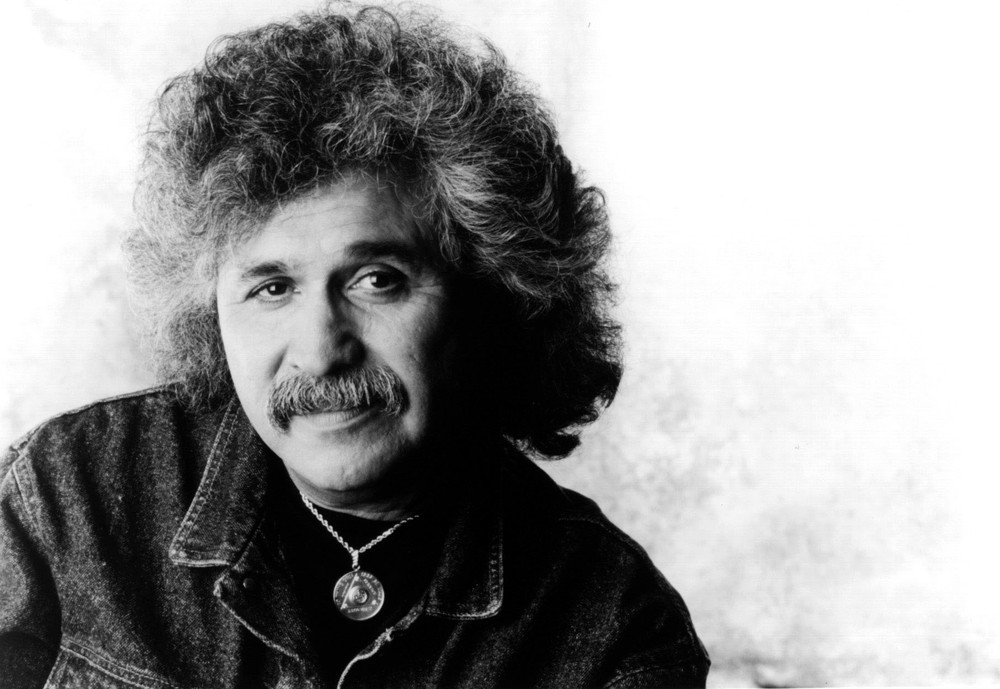
It was Meaux’s idea to add a Spanish verse — a choice that transformed the song into a quiet cultural statement.
The recording was stripped-down and intimate.
Fender’s voice carried the full emotional weight, supported only by soft organ, acoustic guitar, and a gentle rhythm section.
The shift into Spanish felt natural and sincere, resonating deeply with bilingual audiences long overlooked by mainstream radio.
After its release, the song climbed slowly, first gaining traction in Texas and the Southwest.
By March 1975, it topped both the country and pop charts — a rare achievement, especially for a bilingual track.
It spent 19 weeks on the Hot 100 and earned Fender the CMA Single of the Year and a Grammy for Best Country Performance, Male.
Its cultural impact went far beyond commercial success.
For Mexican-American listeners, it represented visibility and pride rarely seen in country music.
For mainstream audiences, it offered a gentle introduction to bicultural storytelling, turning language into connection rather than division.
The song also revived Freddy Fender’s career overnight.
He went from working-class anonymity to national television appearances, major tours, and a multi-album deal.
Its success allowed “Wasted Days and Wasted Nights” to be re-released, where it too reached No. 1 on the country charts.
Within the genre, the song paved the way for artists of diverse backgrounds.
Its blend of country tradition and cultural authenticity influenced performers like Johnny Rodriguez, Linda Ronstadt, and later Rick Treviño.
It proved that heritage and mainstream appeal could coexist.
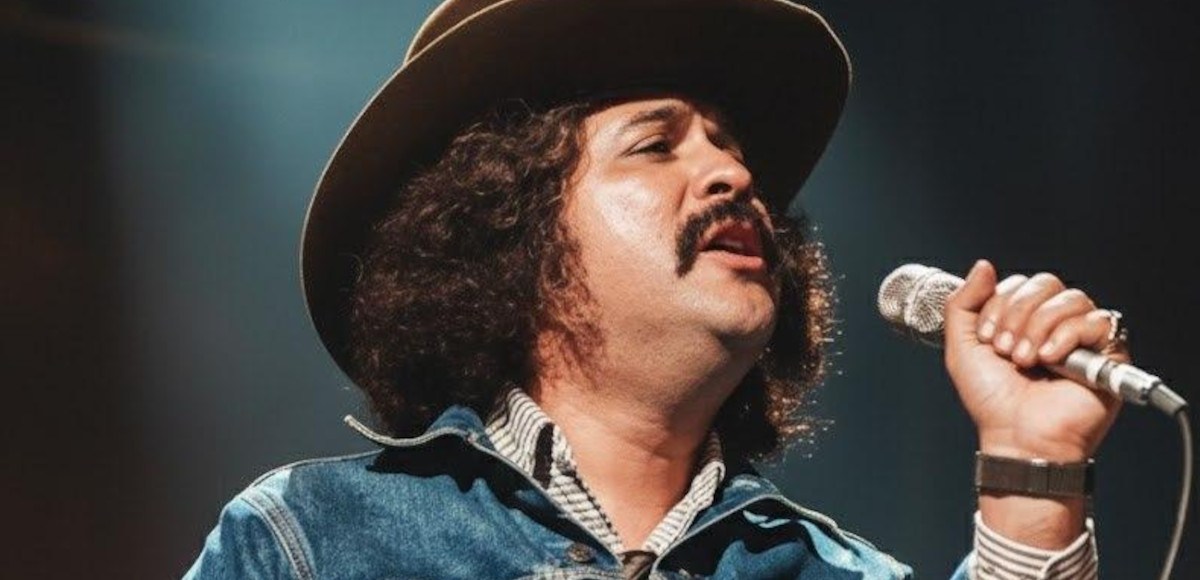
Though many artists later covered the song, none matched the quiet power of Fender’s original.
His personal history and subtle delivery gave the song a depth that could not be replicated.
Even decades later, his voice remains the definitive version.
Released during a period of cultural reflection in America, the song became more than a hit.
It gave voice to people rarely heard in mainstream music and turned redemption into revolution for Fender himself.
Today, “Before the Next Teardrop Falls” remains one of the few bilingual songs to ever top the Hot 100.
It continues to receive airplay and is frequently cited in discussions of multicultural influence in American music.
Though Freddy Fender passed away in 2006, his legacy endures.
He was inducted into the Texas Country Music Hall of Fame, and his influence continues to inspire new generations.
In the end, the power of “Before the Next Teardrop Falls” lies in its gentle honesty.
It is a song about loss, healing, and hope — and a reminder of what happens when music speaks from the heart.
Freddy Fender didn’t just record a hit.
He opened doors, gave voice to the unheard, and changed country music forever.
