News
Merle Haggard’s ‘Mama Tried’ Becomes a Country Music Confession That Echoes Across Generations (1968)
When Merle Haggard released “Mama Tried” in 1968, he wasn’t just adding another hit to his growing catalog—he was baring his soul.
The song, a stirring blend of confession and tribute, offered a rare look inside the mind of a man torn between regret and pride.
It quickly soared to No. 1 on the Billboard Hot Country Singles chart and spent four weeks at the top, solidifying its place as one of Haggard’s defining masterpieces.
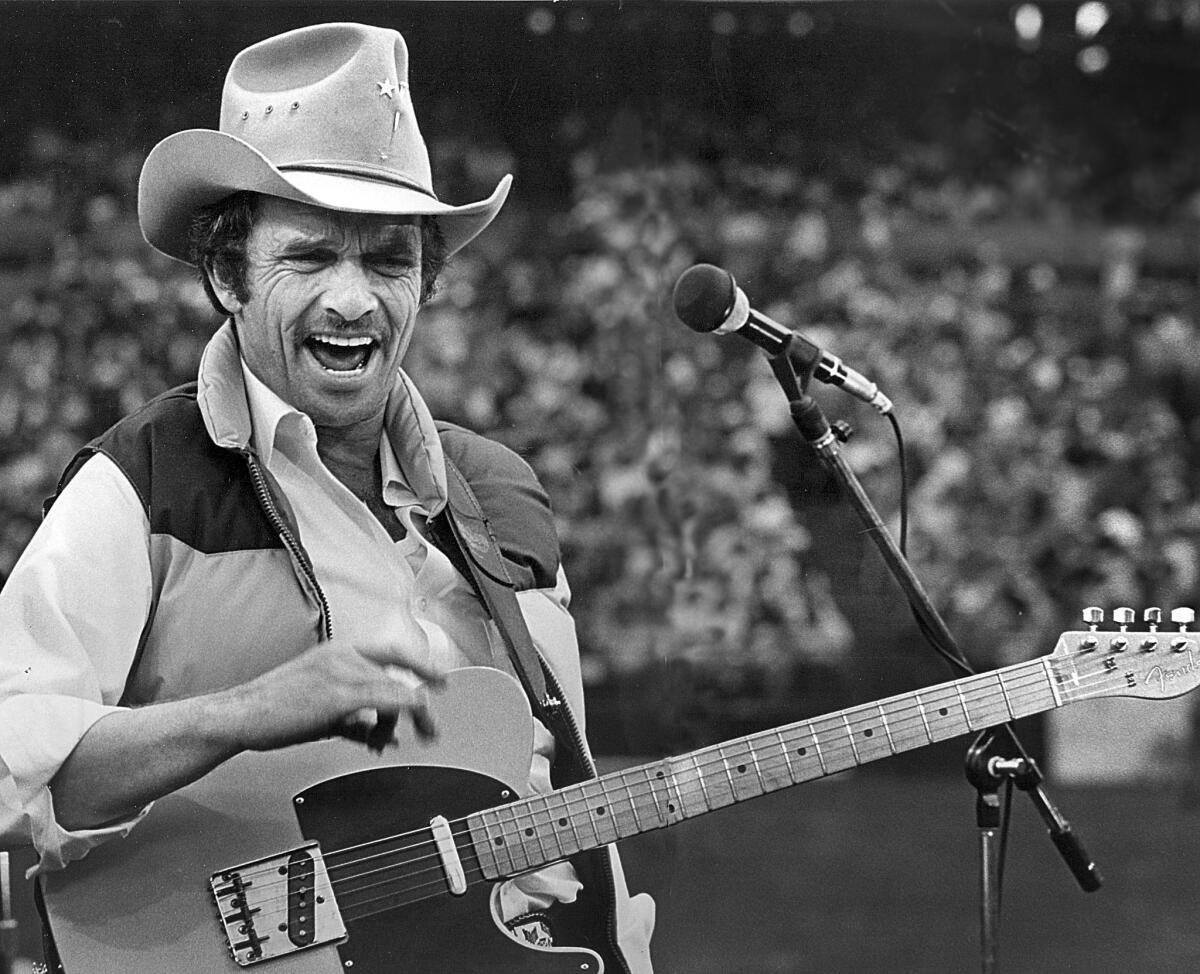
More than half a century later, its blend of raw emotion, storytelling, and twangy grit remains unmatched in country music history.
Born in Bakersfield, California, in 1937, Merle Haggard’s path was shaped by hardship from the start.
After losing his father at age nine, he began to rebel, eventually serving time in San Quentin prison in the late 1950s.
Unlike many artists who romanticized the outlaw life, Haggard had lived it.
His authenticity set him apart from other country singers of the era, making his voice resonate deeply with working-class audiences who saw their own struggles in his songs.
The story behind “Mama Tried” is autobiographical at its core.
Haggard wrote it as a tribute to his mother, Flossie, who raised him alone after his father’s death.
Despite her best efforts to keep him on the right path, young Merle went astray—a truth the song lays bare with aching honesty.
“I turned 21 in prison doing life without parole” isn’t just a lyric; it’s a symbolic admission of guilt wrapped in reverence.
That line alone brought chills to countless listeners who knew the weight of maternal hope and personal failure.
Produced by Ken Nelson, the track was recorded in Capitol Studios and featured members of Haggard’s backing band, The Strangers.
The arrangement was lean yet emotionally potent: electric guitar twangs, fiddle flourishes, and steel guitar cries underscored the regret in Merle’s voice.
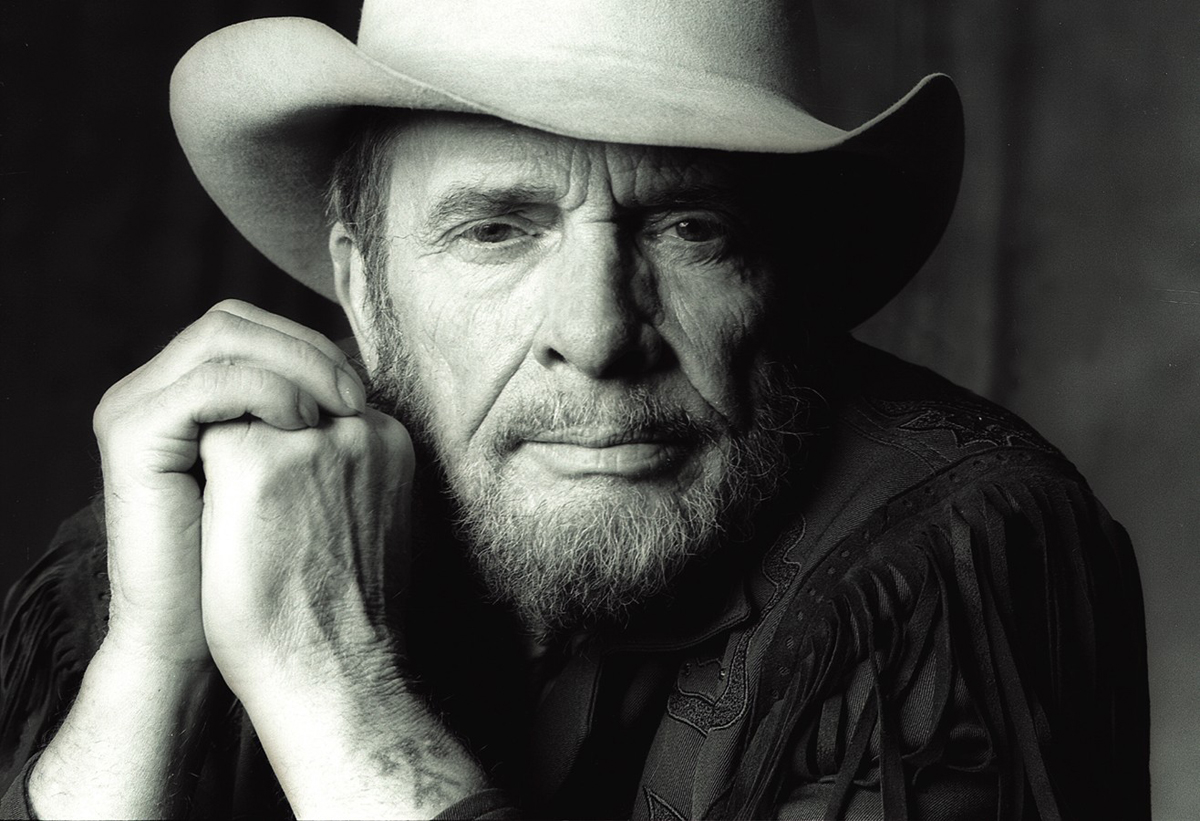
His delivery was both restrained and powerful—never overdone, always believable.
It was storytelling at its most efficient: two minutes and 12 seconds of emotional dynamite.
“Mama Tried” received immediate praise upon release and quickly became a fan favorite.
It not only topped the country charts but crossed over to popular radio in some regions, widening Haggard’s audience.
The Academy of Country Music named him Top Male Vocalist in 1969, and the song’s success played a major role in that recognition.
For many listeners, it became the gateway into Haggard’s deeper, more introspective catalog.
The song’s cultural impact was profound.
In an era when country music often shied away from real-world pain in favor of gloss and gloss, “Mama Tried” leaned into the grit.
It challenged traditional perceptions of what country music could say and who it could represent.
Haggard, with this track, gave voice to the misunderstood and the marginalized—those whose mothers did try, but who ended up behind bars or on the run.
In terms of career trajectory, “Mama Tried” elevated Haggard from rising star to icon.
It cemented his image as the “poet of the common man,” a reputation that followed him for decades.
The success of the single opened doors to major tours, national television appearances, and even increased interest from rock and folk fans intrigued by his realness.
It was a turning point that widened his influence without compromising his authenticity.
Many country artists who came after credited “Mama Tried” as a key inspiration.
From George Strait to Sturgill Simpson, the blend of lyrical honesty and simple production became a blueprint.
The song’s structure—direct, personal, and melodically rich—has been mimicked in countless hits that aim to strike the same emotional chord.
Not surprisingly, “Mama Tried” has been covered extensively over the years.
The Grateful Dead famously included it in their live shows, adding a twangy rock twist.
Joan Baez, The Everly Brothers, and even punk icons like Social Distortion recorded their own versions, each one proving the song’s durability and emotional universality.
At the time of the song’s rise, Haggard was still grappling with the weight of his past.
Though he had received a full pardon from then-California Governor Ronald Reagan in 1972, the shadow of his imprisonment loomed over his public image.
Rather than hide it, he turned it into a strength, often using “Mama Tried” to start conversations about redemption and second chances.
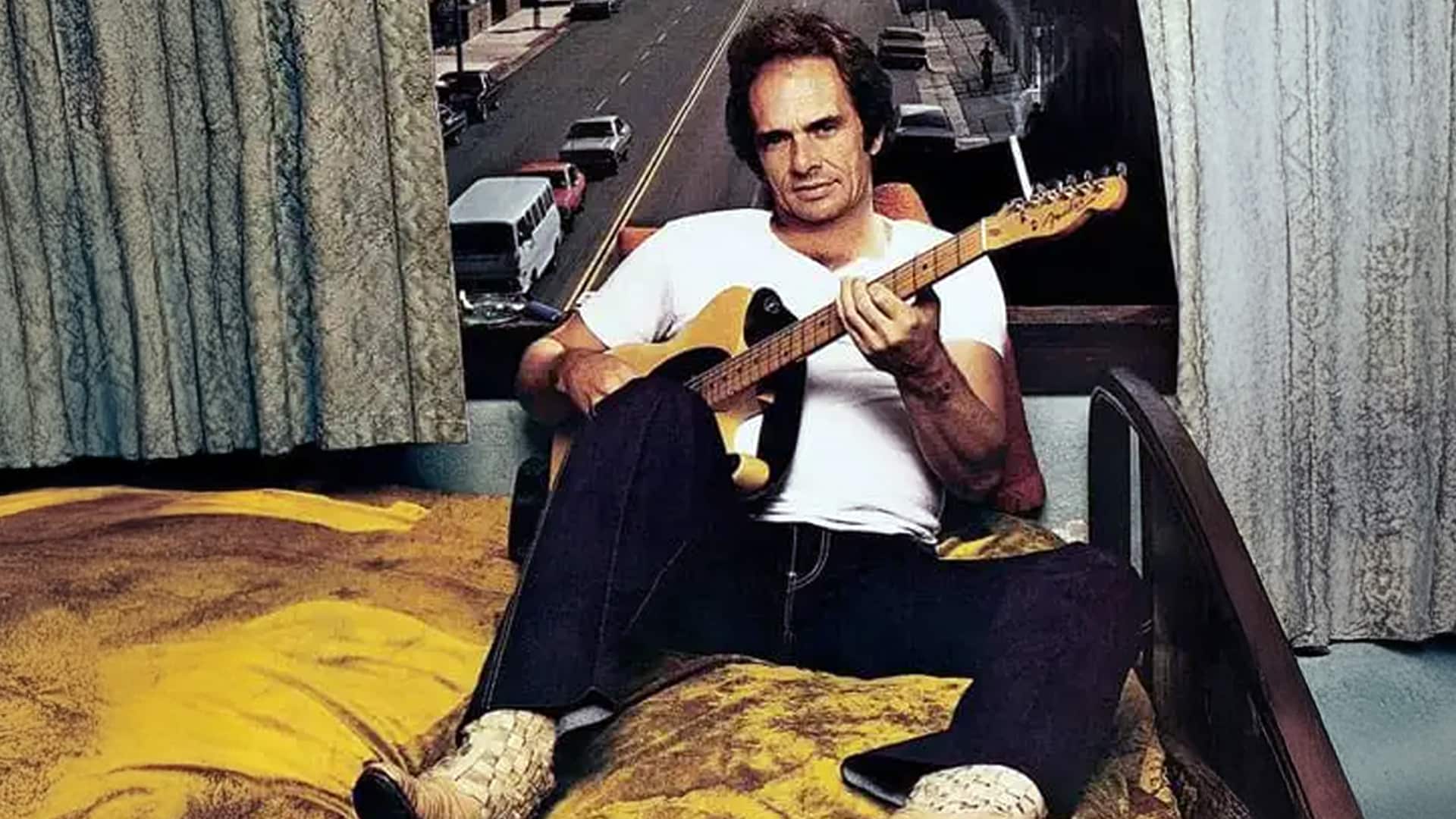
Decades later, the track remains a fixture on classic country radio and playlists.
It has been inducted into the Grammy Hall of Fame and preserved in the National Recording Registry for its cultural significance.
When country music historians list the greatest songs of all time, “Mama Tried” consistently ranks near the top—not just for its sound, but for its soul.
The song helped reshape how music could approach personal failure.
Before Haggard, few mainstream artists so openly admitted wrongdoing while honoring the ones they let down.
That duality—regret and love—became a model for emotional complexity in songwriting across genres, influencing artists well outside country circles.
After his passing in 2016, “Mama Tried” was performed at countless tribute concerts, often as the emotional centerpiece.
It has become the anthem for those who strayed but still remember the voice that tried to guide them.
Every time it plays, somewhere, someone is reminded of their mother’s prayers—and their own responsibility.
In the end, “Mama Tried” isn’t just about Merle Haggard’s life.
It’s about everyone who ever disappointed someone who loved them.
