News
Millions have heard these opening words… but very few know what inspired one of the most haunting songs ever written.
Some songs belong to their own generation, but The Sounds of Silence somehow escaped time itself, continuing to find new listeners who recognize its quiet truth without ever needing it to explain itself.
Its opening words feel less like the beginning of a performance than the continuation of a conversation that has been waiting patiently for decades to be heard again.
“Hello darkness, my old friend” may be one of the most recognizable opening lines in music history, yet every time it returns, it somehow feels deeply personal.

There is something haunting about the way Simon & Garfunkel never rush the moment, allowing silence itself to become part of the melody.
Released during the turbulent 1960s, the song reflected a generation struggling to communicate in a world changing faster than anyone could fully understand.
Yet its message never became trapped inside that era because loneliness, misunderstanding, and isolation never truly disappear from human life.
Paul Simon wrote the lyrics with remarkable restraint, trusting imagery instead of explanation to carry emotions that words alone often fail to express.
Neon lights, restless streets, crowded cities, and silent conversations become symbols rather than scenery, inviting every listener to discover their own meaning.
Nothing in the song tells us exactly who is speaking or whom they are addressing, and that mystery only makes the experience more intimate.
Everyone who hears it seems to find themselves somewhere inside those carefully chosen verses.
The first recording was quiet and acoustic, almost fragile enough to disappear without notice.
Then everything changed when electric instruments were added to the track without the duo’s knowledge while they were temporarily apart.
Rather than destroying the song’s delicate atmosphere, the fuller arrangement amplified its emotional weight in unexpected ways.
The result became one of the defining recordings of the decade, reaching listeners who may never have noticed the original version.

Even with its commercial success, the song never sounds interested in popularity.
It carries itself with remarkable humility, refusing dramatic crescendos or sentimental excess.
Art Garfunkel’s soaring harmony never competes with Paul Simon’s voice but instead floats gently above it like another thought passing through the same memory.
Together they create something that feels less like two singers and more like a single emotion divided into two human voices.
Few musical partnerships have ever understood harmony with such natural grace.
Every phrase seems to breathe at exactly the right moment before giving way to another quiet reflection.
The beauty of The Sounds of Silence lies not in what it explains but in everything it leaves unsaid.
Its pauses become as meaningful as its lyrics, allowing listeners to fill the empty spaces with their own experiences.
Perhaps that is why the song seems to evolve as we grow older.
Teenagers often hear mystery inside it, while adults begin hearing regret, and older generations recognize acceptance beneath its melancholy surface.
Each stage of life uncovers another layer that somehow always existed beneath the melody.
Its warnings about people speaking without listening feel even more relevant today than they did nearly sixty years ago.
Modern technology has connected billions of voices, yet genuine understanding often feels more distant than ever.
The song never condemns progress itself but quietly questions whether communication has truly become connection.
That distinction gives the lyrics an almost timeless quality.
Long before social media, endless notifications, or digital conversations, Paul Simon had already captured the loneliness that can exist inside constant noise.
It remains astonishing how accurately those images continue to describe the emotional landscape of modern life.
Yet despite its themes of isolation, the song never leaves the listener feeling hopeless.
Instead, it offers companionship through shared understanding.
Knowing that someone else once found words for emotions we struggle to explain can become its own form of comfort.
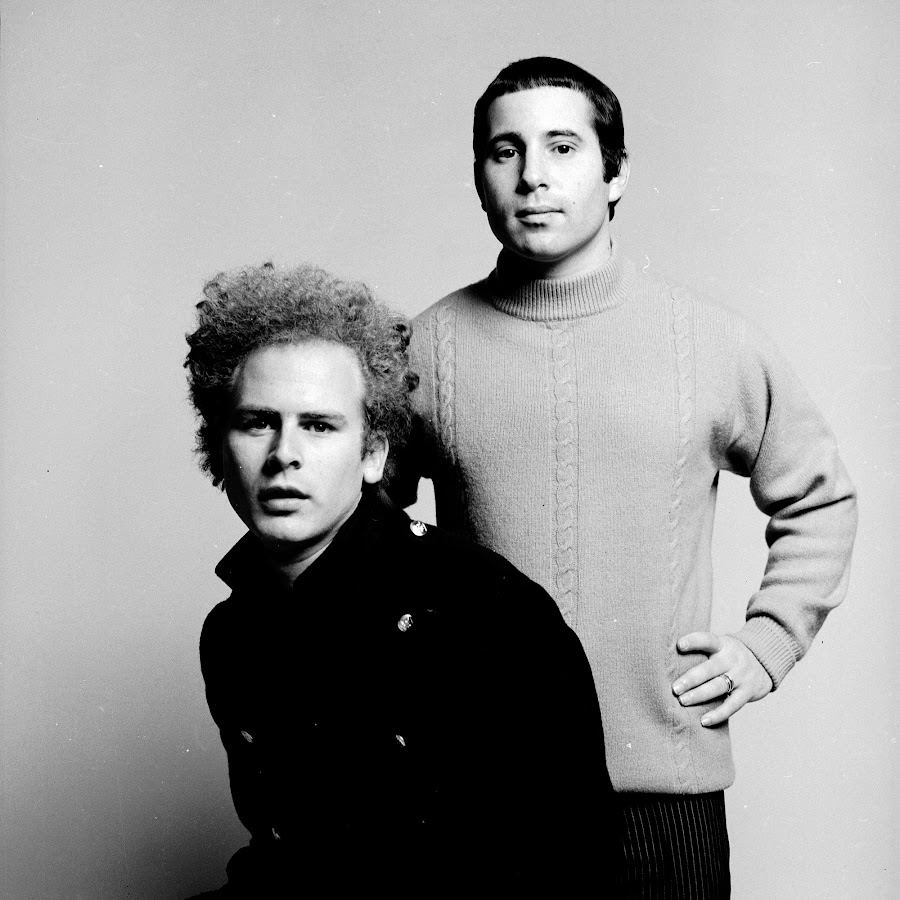
That may be the greatest achievement of great songwriting.
Rather than solving life’s unanswered questions, it reminds us that we are not the first people to ask them.
Generation after generation continues discovering The Sounds of Silence as though it had been written specifically for them.
Its quiet power survives because truth rarely depends on fashion.
Even after countless covers by remarkable artists, the original recording still possesses an intimacy that cannot easily be recreated.
The chemistry between Simon and Garfunkel feels effortless, almost invisible, allowing the music itself to remain the true center of attention.
As the final harmony slowly disappears, the silence that follows somehow feels different from the silence that came before.
It is no longer empty but filled with reflection, memory, and emotions that continue echoing long after the record has stopped spinning.
That is why The Sounds of Silence has never truly faded into history, because it was never merely a song about silence.
It became a voice for every quiet thought we carry through life but rarely speak aloud, waiting patiently for someone else to understand it first.
