News
Released in 1965, this feel-good classic proved that sometimes a simple act of kindness can change everything. Decades later, its warmth and optimism still feel as refreshing as ever.
Some songs are remembered for their heartbreak, some for their drama, and some simply for the joy they bring whenever they begin to play.
Released in late 1965, “You Didn’t Have to Be So Nice” by The Lovin’ Spoonful arrived during a remarkable period when the group seemed incapable of creating anything less than memorable.
While many popular songs of the era focused on longing or loss, this one celebrated something far simpler and perhaps even more meaningful.
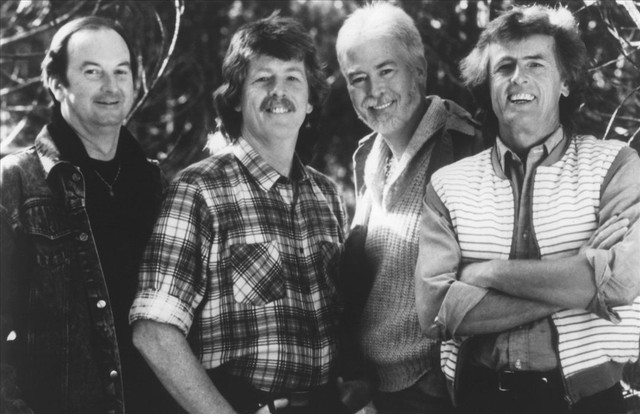
It captured the feeling of being unexpectedly touched by another person’s kindness.
That may sound like a small idea, but it is precisely what gives the song its lasting charm.
More than sixty years later, listeners still find themselves smiling when its warm melody starts to unfold.
The mid-1960s were overflowing with musical innovation as rock, folk, and pop continued to evolve at an astonishing pace.
Amid that creative explosion, The Lovin’ Spoonful carved out a unique identity built on warmth, optimism, and everyday human experiences.
Their music often felt less concerned with grand statements and more interested in life’s simple pleasures.
That approach made them instantly relatable to audiences across America and beyond.
“You Didn’t Have to Be So Nice” stands as one of the clearest examples of that special quality.
Rather than telling a complicated story, the song focuses on a moment that many people recognize immediately.
Someone enters your life unexpectedly and changes your entire outlook through a simple act of kindness.
The narrator is almost overwhelmed by gratitude because he never expected such warmth or attention.
There is something deeply human about that reaction.
Most people can remember a time when a smile, a conversation, or a small gesture arrived exactly when it was needed most.
The song transforms that universal experience into three minutes of pure musical sunshine.
John Sebastian’s gentle vocal performance plays a major role in the song’s enduring appeal.
His voice carries an easy sincerity that feels completely natural.
Nothing about the performance sounds forced or overly dramatic.
Instead, he sings as though sharing a personal memory with a close friend.
That intimacy allows listeners to step directly into the emotional world of the song.
The arrangement itself is equally important to its success.
Bright acoustic guitars, subtle percussion, and cheerful harmonies combine to create an atmosphere filled with warmth and optimism.
Every instrument seems perfectly placed, supporting the melody without ever overwhelming it.
The result is a recording that feels light and effortless despite its careful construction.
One of the most distinctive moments arrives right at the beginning.
The unusual sound effect that opens the track immediately grabs attention and creates curiosity.
It serves as an invitation into a musical world that feels playful, welcoming, and refreshingly different.
Few introductions from the era remain as instantly recognizable.
When the song was released, it quickly connected with listeners who appreciated its positive spirit.
It climbed the charts and further established The Lovin’ Spoonful as one of the defining groups of the decade.
At a time when many artists were exploring increasingly complex themes, the band demonstrated that simplicity could be equally powerful.
Their songs reminded listeners that everyday emotions often create the strongest connections.
Part of what keeps “You Didn’t Have to Be So Nice” alive today is its timeless message.
Kindness never becomes outdated.
The feeling of being unexpectedly appreciated remains just as meaningful now as it was in 1965.
The song understands that small gestures can leave lasting impressions.
A brief encounter can sometimes change the course of an entire day or even a lifetime.
That idea resonates across generations because it reflects a truth people continue to experience.
Unlike many songs tied closely to a specific cultural moment, this one feels remarkably universal.
Its themes require no explanation and no historical context.
Anyone who has ever been surprised by another person’s generosity can immediately understand its emotional core.

That accessibility has helped the song remain beloved for decades.
The Lovin’ Spoonful possessed a rare ability to make happiness sound genuine rather than artificial.
Their optimism felt earned because it emerged from ordinary moments instead of unrealistic fantasies.
“You Didn’t Have to Be So Nice” embodies that philosophy perfectly.
It finds beauty not in extraordinary events but in simple human connection.
As the years passed and musical styles continued to change, the song retained its special place in popular culture.
Its cheerful melody and heartfelt lyrics continued to attract new listeners discovering classic music for the first time.
Many songs become historical artifacts, appreciated mainly for their place in music history.
This recording remains something more personal.
It still feels alive because the emotions it expresses remain familiar.
Every generation understands the value of unexpected kindness.
And perhaps that is why “You Didn’t Have to Be So Nice” continues to endure, reminding us that sometimes the smallest gestures create the memories that stay with us the longest.
