News
Released in 1968, this unforgettable ballad captured the bittersweet beauty of memories and passing time. Nearly six decades later, its nostalgia still resonates with listeners around the world.
Some songs become popular for a season.
Others become inseparable from the memories people carry throughout their lives.
Released in 1968, “Those Were The Days” arrived during a period when popular music was rapidly evolving and audiences were searching for songs that felt both personal and universal.
From its very first notes, the record sounded different from almost everything else dominating the charts.
Its distinctive melody carried echoes of distant places and forgotten moments, creating an atmosphere filled with longing and reflection.
For many listeners, it felt less like a new release and more like the rediscovery of an old memory.
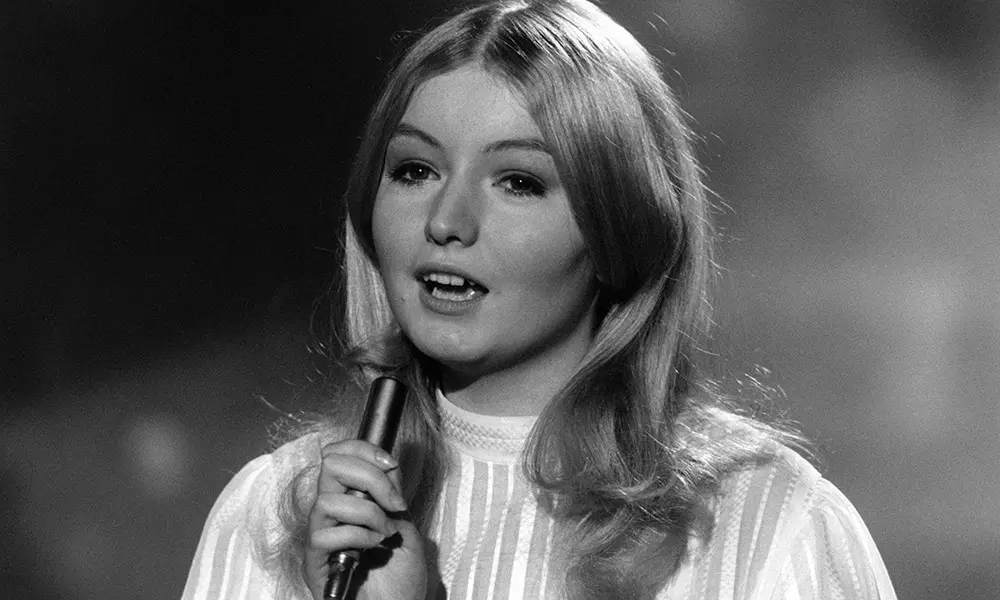
At the center of this remarkable success was Mary Hopkin, a young Welsh singer whose voice possessed an unusual combination of innocence, warmth, and emotional depth.
Unlike many performers chasing louder and more modern sounds, Hopkin captivated audiences through sincerity and elegance.
Her voice seemed perfectly suited to a song built upon remembrance and the passage of time.
The story behind the song stretches back long before Hopkin ever recorded it.
Its melody originated from a Russian romance song that had already traveled across cultures and generations.
Over the years, the tune evolved and found new life through different interpretations before eventually reaching a global audience.
Yet it was Mary Hopkin’s version that transformed it into an international phenomenon.
An important part of that journey involved The Beatles and their newly established Apple label.
Paul McCartney immediately recognized something special in Hopkin and became deeply involved in launching her career.
He helped guide the recording process and supported the release with genuine enthusiasm.
The partnership proved extraordinarily successful almost from the very beginning.
When “Those Were The Days” reached the public, listeners responded with remarkable enthusiasm.
The song climbed charts across multiple countries and quickly became one of the defining recordings of its era.

Its success demonstrated that emotional storytelling could still capture attention in a rapidly changing musical landscape.
Part of the song’s enduring appeal lies within its simple yet powerful narrative.
The lyrics recall youthful dreams, friendships, ambitions, and the belief that life would always remain full of possibility.
Many listeners recognized pieces of their own lives hidden within those reflections.
Everyone has moments they wish they could revisit, if only for a little while.
The song taps directly into that universal feeling.
It speaks not only about the past but about the way memory reshapes our understanding of it.
As years pass, certain moments become brighter, warmer, and more meaningful in hindsight.
“Those Were The Days” captures that emotional transformation with remarkable grace.
The arrangement plays a significant role in creating the song’s unique atmosphere.
Its folk-inspired instrumentation feels timeless, blending traditional influences with contemporary production.
The result is a sound that belongs to a specific era while somehow remaining untouched by time.
Listeners often describe feeling transported the moment the music begins.
The record creates images of old photographs, familiar streets, and conversations that seem distant yet strangely close.
Few songs achieve such vivid emotional imagery through melody alone.
As the years passed, the song continued finding new audiences.
People who had never experienced the late 1960s still connected with its themes of memory and change.
Its message proved far more enduring than the era that first embraced it.
That longevity speaks to the strength of both the composition and Hopkin’s performance.
Rather than relying on trends, the song focuses on emotions that remain constant across generations.
Dreams, friendships, regrets, and nostalgia never truly disappear from human experience.
Mary Hopkin’s career would include many other recordings, but “Those Were The Days” remained her signature achievement.
The song became inseparable from her identity as an artist and secured her place in music history.
Even decades after its release, audiences continued requesting it during performances and retrospectives.
Part of its magic comes from the balance between joy and sadness.
The song celebrates beautiful memories while quietly acknowledging that time moves forward regardless of our wishes.
That emotional complexity gives it a depth that rewards repeated listening.
Every stage of life reveals something new within the lyrics.
Young listeners hear dreams and possibilities.
Older listeners hear reflections and remembrance.
Both experiences feel equally valid and equally moving.
In a world increasingly focused on the future, songs like “Those Were The Days” remind us of the value of looking back.

Not to remain trapped in the past, but to appreciate the moments that shaped who we became.
The song invites listeners to pause and revisit those memories with gratitude rather than regret.
More than half a century after its release, its emotional power remains remarkably intact.
The melody still feels familiar, the lyrics still resonate, and Hopkin’s voice still carries extraordinary warmth.
Very few recordings maintain such a strong connection with audiences across multiple generations.
Perhaps that is the song’s greatest achievement.
It transforms personal memories into something shared, allowing strangers to recognize themselves within the same story.
And every time it begins to play, listeners are reminded of the dreams, friendships, and fleeting moments that made life unforgettable.
