News
Released in 1973, it was a simple song about wishing for more time with the people we love. Decades later, its meaning feels even more powerful knowing how little time its creator had left.
If there was ever a song that felt like someone trying to hold on to a beautiful moment before it slipped away forever, it was “Time in a Bottle.”
Released in the early 1970s, Jim Croce’s gentle masterpiece arrived during a period when popular music was becoming louder, faster, and more ambitious, yet this song chose a completely different path, speaking softly and somehow saying more than most songs ever could.
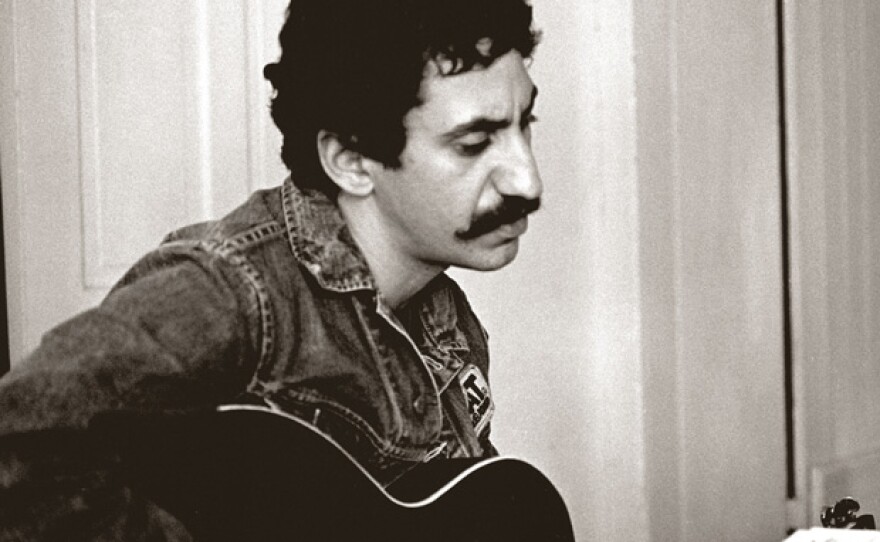
The first notes seem to arrive like a memory drifting through an open window, carrying a feeling that is difficult to describe but instantly recognizable to anyone who has ever wished time would slow down.
Unlike countless love songs that celebrate romance with grand promises and dramatic declarations, “Time in a Bottle” feels intimate, almost private, as if Croce is sharing a thought he never expected the whole world to hear.
The lyrics imagine a world where time could be captured, stored away, and protected from the relentless march of days, months, and years that quietly steal moments before we realize how precious they are.
It is a simple idea on the surface, yet the emotional weight behind it grows heavier every time the song plays.
Most people spend their lives believing there will always be another conversation, another afternoon, another chance to say what matters most.
But life has a way of teaching us that tomorrow is never guaranteed, and “Time in a Bottle” seems to understand that painful truth better than almost any song ever recorded.
Jim Croce wrote the song for his wife Ingrid after learning they were expecting their first child, a moment that filled him with both excitement and reflection about the future.
What began as a deeply personal expression of love eventually became something much larger than its creator could have imagined.
The beauty of the song lies not only in its lyrics but also in its remarkable restraint.
There are no explosive choruses, no dramatic instrumental breaks, and no attempt to overwhelm the listener with production tricks or studio effects.
Instead, every note feels carefully placed, allowing the emotions to breathe naturally and reach the listener without force.
The melody moves gently forward, almost like the ticking of a clock that refuses to stop no matter how desperately we wish it would.
As the song unfolds, it creates the sensation of standing still while the rest of the world continues rushing past.
Many listeners first discover “Time in a Bottle” during a quiet moment in life and find themselves returning to it years later under completely different circumstances.
What once sounded like a romantic song often becomes something deeper with age.
A teenager may hear hope in the lyrics.

A parent may hear gratitude.
Someone who has experienced loss may hear heartbreak hidden between every line.
That ability to evolve alongside the listener is one of the rare qualities that transforms a song from a hit into a lifelong companion.
Few could have predicted the tragic circumstances that would eventually surround the recording.
In September 1973, Jim Croce died in a plane crash at only thirty years old, just as his career was reaching extraordinary heights.
The news shocked fans across the country and instantly changed the way people heard his music.
Suddenly, “Time in a Bottle” no longer sounded like a simple reflection about love and the future.
It felt like a message left behind.
Listeners found themselves hearing the song through an entirely different lens.
The words about saving time and making every moment last seemed almost unbearably poignant after Croce’s passing.
What had once been hopeful became haunting.
What had once been personal became universal.
The song climbed the charts after his death, eventually reaching the top position and introducing millions of new listeners to his voice.
Yet commercial success feels almost secondary when discussing the legacy of this recording.
Its true achievement lies in the emotional connection it continues to create decades later.
Generations who were not even born when Jim Croce lived still discover the song and feel as though it speaks directly to them.
That kind of endurance cannot be manufactured.
It happens only when a piece of music touches something fundamental about the human experience.
Everyone wishes they could preserve certain moments forever.
A first kiss.
A child’s laughter.
A conversation with someone who is no longer here.
A sunset that arrived at exactly the right time.
A final goodbye we never realized would be the last.
“Time in a Bottle” captures that longing with extraordinary clarity.
The song never demands attention.
It simply waits patiently for listeners to find it when they need it most.
Perhaps that is why it continues to resonate more than half a century after its creation.
In a world obsessed with speed, instant gratification, and constant movement, Croce’s gentle meditation on time feels even more relevant today.
The older we become, the more we understand the impossible dream hidden inside the title.
No one can save time.
No one can stop it.
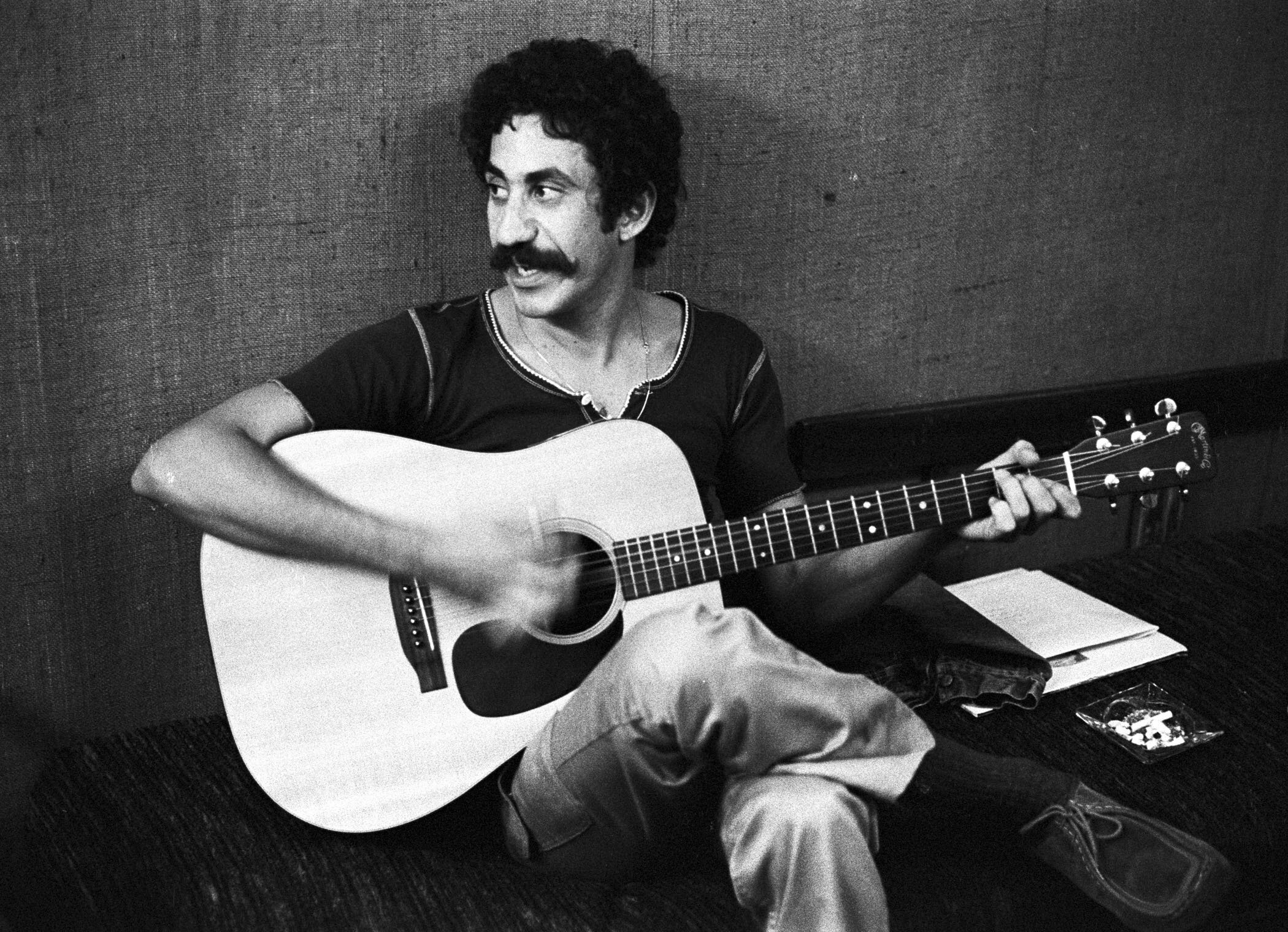
No one can place it safely inside a bottle and keep it forever.
Yet we spend our lives trying anyway through photographs, memories, letters, recordings, and stories shared with the people we love.
That struggle is profoundly human.
And that is why the song remains so powerful.
Every listener eventually reaches a moment when they wish for one more hour, one more day, or one more chance with someone they cherish.
When that feeling arrives, “Time in a Bottle” is there waiting, sounding just as gentle, just as sincere, and just as heartbreaking as it did all those years ago.
Jim Croce may have left the world far too soon, but through this timeless recording, he achieved something remarkably close to the dream he described.
He found a way to place a moment in a bottle.
And generations later, we are still opening it.
