News
Released in 1977, this unforgettable love song turned a young newcomer into one of pop music’s brightest stars. Decades later, its warmth and sincerity still touch hearts around the world.
In the summer of 1977, a young singer stepped out from the enormous shadow of one of music’s most famous families and delivered a love song that seemed destined to last forever.
That singer was Andy Gibb, and the song was “I Just Want to Be Your Everything,” a record that would transform him from the Bee Gees’ younger brother into a star in his own right.
At the time, popular music was changing rapidly, with disco rising in popularity and radio audiences searching for fresh voices to accompany a new generation.

Andy possessed something special that immediately separated him from countless other newcomers trying to find success during the same era.
His voice carried a youthful warmth that felt sincere rather than calculated, making listeners believe every word he sang.
Unlike many performers who relied on image alone, Andy connected through vulnerability, creating an emotional bond with audiences almost instantly.
“I Just Want to Be Your Everything” was built around a simple but powerful idea: the desire to be everything to someone you love.
The song never depended on dramatic twists or complicated storytelling because its strength came from its honesty.
From the opening moments, listeners are surrounded by a gentle melody that feels comforting, familiar, and deeply romantic.
The arrangement unfolds gracefully, allowing Andy’s voice to remain at the center of attention throughout the recording.

Every note seems designed to support the song’s emotional message rather than distract from it.
Part of the record’s magic came from the involvement of Andy’s older brother, Barry Gibb, who wrote the song and helped shape its sound.
Barry understood exactly how to create melodies that stayed in listeners’ minds long after the music ended.
Yet despite Barry’s contribution, the recording never feels like a Bee Gees song performed by someone else.
Instead, it feels uniquely Andy’s, reflecting his personality, charm, and youthful perspective.
When the single was released, audiences responded immediately to its heartfelt sincerity and irresistible melody.
Radio stations embraced it, and listeners quickly made it one of the biggest songs of the year.
The record climbed the charts with remarkable speed and eventually reached the number one position in the United States.
Its success marked the beginning of a spectacular rise that few artists experience during their debut breakthrough.
Almost overnight, Andy became one of the most recognizable young stars in popular music.
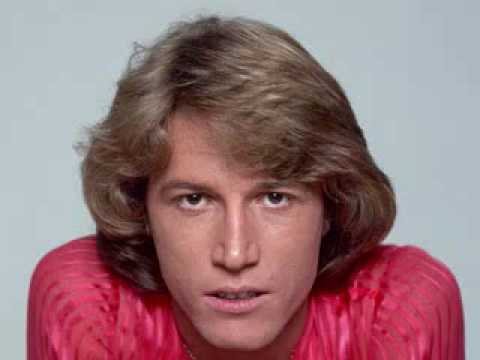
Fans were captivated not only by his voice but also by his natural charisma and movie-star appearance.
Magazine covers, television appearances, and sold-out performances soon followed as his popularity continued growing.
For many listeners, Andy represented a different kind of celebrity than the larger-than-life performers dominating the decade.
He seemed approachable, genuine, and refreshingly sincere in a music industry often driven by image and spectacle.
That authenticity became one of the reasons people felt such a strong connection to him.
Listening to “I Just Want to Be Your Everything” today reveals why the song continues to resonate decades later.
The recording captures a feeling that transcends generations because the longing to love and be loved never grows old.
While musical trends constantly evolve, genuine emotion remains timeless.
The song serves as a reminder of an era when romance often stood at the center of popular music.
Its smooth production and elegant melody instantly transport listeners back to the late 1970s.
For those who lived through the period, hearing the song can feel like opening a forgotten photo album filled with treasured memories.
For younger listeners, it offers a glimpse into a time when love songs dominated radio playlists and connected deeply with audiences.
Yet the story of Andy Gibb carries an emotional complexity that makes the song even more meaningful today.
His career reached extraordinary heights in a remarkably short period of time, making him one of the decade’s brightest young stars.
But fame often arrives with pressures that audiences rarely see behind the scenes.
The same young man who appeared so confident on television was also facing personal challenges that would eventually affect his career.
As the years passed, those struggles became increasingly difficult for him to overcome.
His life ended tragically in 1988 at only thirty years old, leaving fans shocked by the loss of someone who seemed destined for a much longer journey.
That heartbreaking reality has added a layer of bittersweet emotion to many of his recordings.
When listeners return to “I Just Want to Be Your Everything,” they hear not only a beautiful love song but also the voice of a gifted artist whose potential was never fully realized.
There is something especially moving about hearing such youthful optimism knowing how his story would eventually unfold.
Yet perhaps that is why the song remains so powerful after all these years.
Rather than being defined by sadness, it continues to celebrate the joy, hope, and sincerity that Andy brought to the world.
Every chorus still sparkles with the same warmth that captivated audiences in 1977.
Every verse still reflects the innocence and emotional honesty that made listeners fall in love with his music.
And every time the song plays, it reminds us that some voices leave a lasting impression regardless of how briefly they shine.
More than four decades later, “I Just Want to Be Your Everything” remains one of the defining love songs of its generation.
It stands as a testament to Andy Gibb’s remarkable talent and his ability to communicate emotion with extraordinary grace.
Long after the charts have been forgotten and musical trends have faded away, the song continues to speak directly to the heart.
That enduring connection is the reason listeners still return to it today, remembering not only the music but also the young star whose brightest moment became timeless.
