News
Released in the late 1970s, this gentle love song transformed a simple evening between two people into a memory shared by millions. Decades later, its quiet message still touches hearts around the world
There are love songs that become hits for a season, and then there are love songs that seem to drift through the years untouched by time, carrying the same warmth for every new generation that discovers them.
Released in 1977, Wonderful Tonight by Eric Clapton is one of those rare recordings that feels less like a performance and more like a private memory accidentally shared with the world.
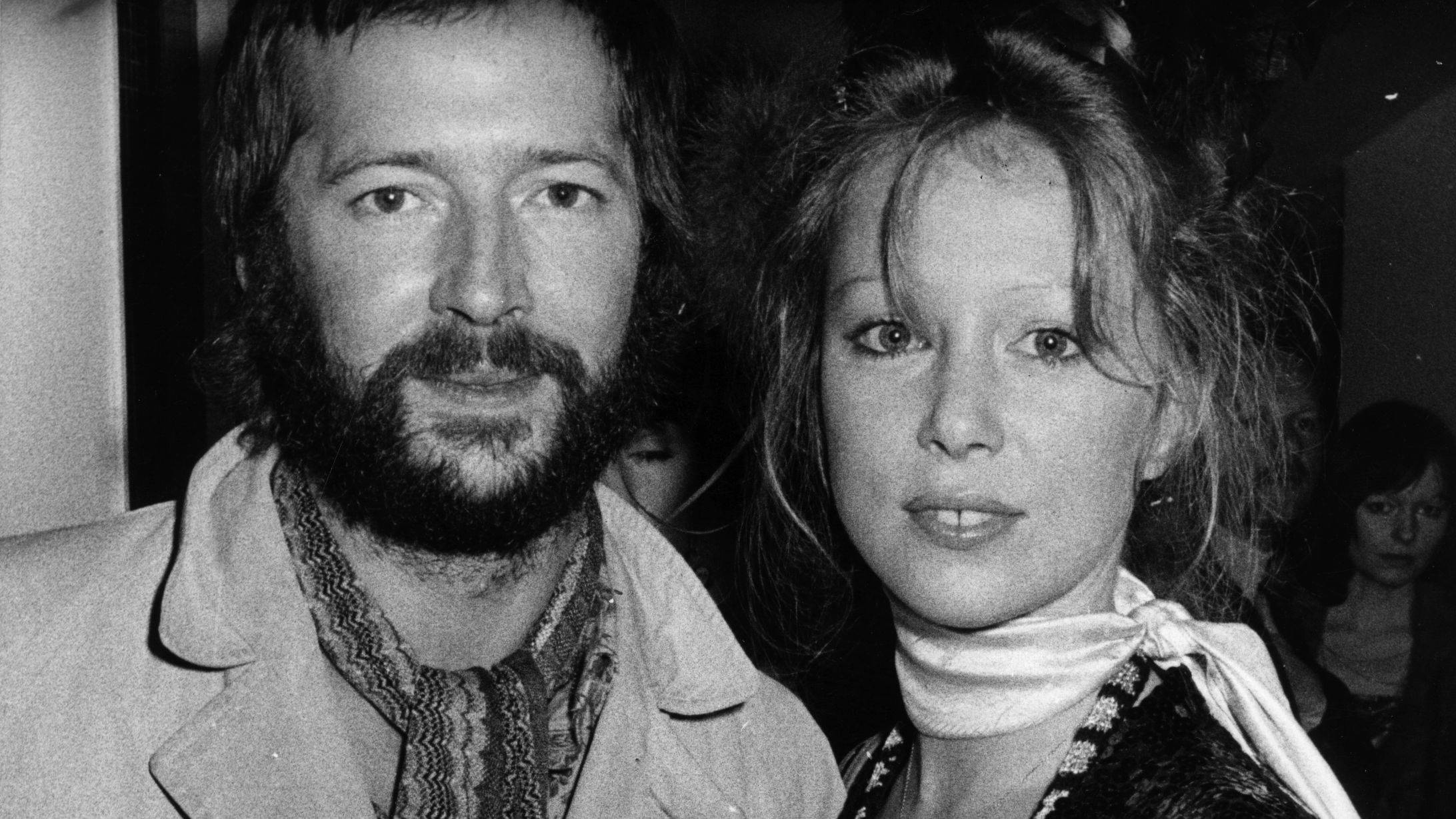
Unlike grand ballads filled with dramatic declarations, this song begins with something remarkably ordinary, a woman getting ready for an evening out while the man waits patiently beside her.
That simple scene could have belonged to any couple in any decade, which may be the reason listeners continue to recognize pieces of their own lives within its gentle melody.
The story behind the song has become almost as famous as the recording itself, adding another layer of fascination to an already beloved classic.
Clapton reportedly wrote it while waiting for Pattie Boyd to prepare for a party, transforming a familiar moment of everyday life into one of the most enduring love songs ever recorded.
Many songwriters search endlessly for extraordinary inspiration, yet “Wonderful Tonight” reminds us that the most meaningful emotions are often found in the quiet moments people usually overlook.
From the opening notes, there is a calmness that immediately sets the song apart from the louder and more extravagant records of its era.
The guitar does not rush, the vocals do not strain for attention, and every element seems carefully placed to serve the emotion at the heart of the story.
Listeners are invited into a world where affection is expressed not through dramatic gestures but through observation and appreciation.
As the woman asks whether she looks all right, the answer she receives has become one of the most recognizable lines in popular music history.
The response is simple, yet its sincerity is what gives it power, because genuine admiration often speaks more loudly than elaborate poetry.
For countless couples, that exchange has become a reflection of moments they have shared themselves before weddings, anniversaries, celebrations, and ordinary nights out.
The song succeeds because it captures something universal, the desire to feel seen and cherished by the person whose opinion matters most.
As the evening progresses within the lyrics, the narrative continues to unfold with remarkable subtlety and grace.
There are no twists, no heartbreak, and no dramatic conflict waiting around the corner.
Instead, the listener follows two people enjoying a night together, connected by affection that feels comfortable, mature, and real.
That sense of emotional security is one reason the song has remained so beloved over the decades.
Many famous love songs focus on passion, longing, or loss, but “Wonderful Tonight” celebrates something quieter and perhaps even more enduring.
It celebrates companionship.
The gentle rhythm creates the feeling of a slow dance beneath soft lights, where time seems to move a little more slowly than usual.
Even listeners who have never experienced the exact circumstances described in the lyrics often recognize the emotions beneath them.
The song speaks to anyone who has ever looked at someone they love and felt grateful for their presence.
As years passed and musical trends changed, countless songs rose and disappeared from public memory, yet “Wonderful Tonight” continued to find new audiences.
It became a staple at weddings, anniversaries, and romantic celebrations around the world.
Its popularity was never driven by fashionable production techniques or temporary cultural trends.
Instead, its strength came from timeless emotions that remain relevant regardless of generation.
Perhaps the most touching moment arrives near the end of the narrative when the couple returns home after their evening together.

The glamour of the party fades into the background, replaced by a quiet moment that feels even more intimate than everything that came before.
In that final reflection, listeners are reminded that love is often revealed most clearly after the excitement has passed.
The song’s lasting appeal also owes much to Clapton’s restrained performance throughout the recording.
He never overwhelms the lyrics with vocal theatrics, choosing instead to sing with a sincerity that feels deeply personal.
That understated approach allows listeners to focus on the emotions rather than the performance itself.
Over time, “Wonderful Tonight” evolved from a successful single into something larger than a hit record.
It became a soundtrack for memories, accompanying first dances, anniversaries, family celebrations, and countless meaningful moments across generations.
For many people, hearing the opening guitar phrase instantly transports them back to a specific place, person, or chapter of their lives.
Few songs achieve that kind of emotional permanence.
Nearly fifty years after its release, “Wonderful Tonight” remains a reminder that the most powerful love stories are not always the loudest ones.
Sometimes they are found in a patient glance, a quiet compliment, or an ordinary evening shared with someone special.
That is why the song continues to resonate long after trends have faded and fashions have changed.
Its message is beautifully simple, and perhaps that simplicity is exactly what makes it unforgettable.
In a world that often celebrates spectacle, “Wonderful Tonight” endures because it understands something timeless about human connection.
It reminds us that love is not measured by grand gestures alone but by the small moments that quietly become the memories we treasure forever.
