News
Soft synths, calm melodies, and a question that still hasn’t aged: what do we really want when we chase control? Nearly 40 years later, this song still sounds like the world quietly talking to itself.
Tears For Fears emerged in the early 1980s as one of the most thoughtful synth-pop bands, blending electronic sounds with emotionally and politically charged themes.
Led by Curt Smith and Roland Orzabal, the group stood out for pairing new wave aesthetics with deep reflections on anxiety, vulnerability, and modern life.
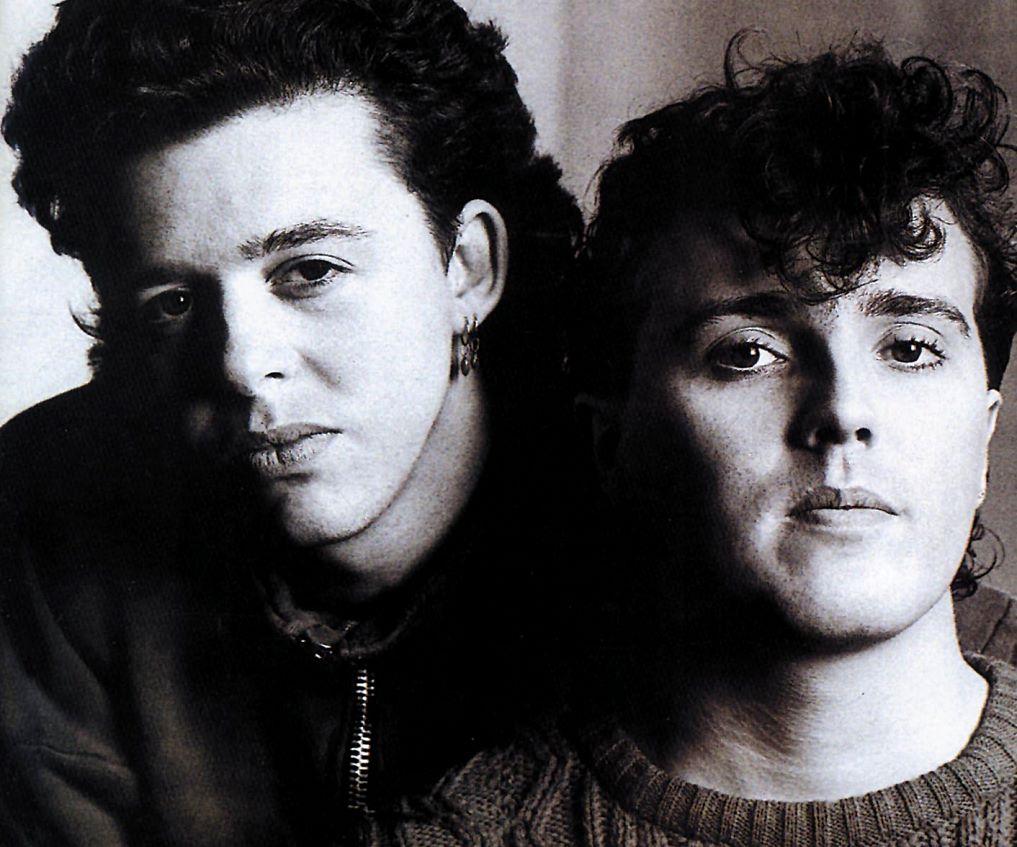
Released in 1985 on Songs from the Big Chair, “Everybody Wants to Rule the World” became a defining moment in their career.
The song achieved massive global success not only because of its catchy melody, but because it translated Cold War–era tension into something deeply personal.
Musically, the track feels gentle and relaxed, built on shimmering synthesizers, clean guitar lines, and a steady mid-tempo groove.
This calm surface contrasts with an undercurrent of unease, showing the band’s skill at balancing sound and meaning.
The opening line, “Welcome to your life / There’s no turning back,” immediately sets a reflective and irreversible tone.
Rather than inviting the listener in, it frames the song as a meditation on responsibility and consequence.
Throughout the verses, imagery like “acting on your best behavior” hints at the performance and compromise often tied to power.
These lines blur the line between ethical restraint and self-serving ambition.
The chorus delivers its central idea with simplicity and weight: everyone wants control, but that desire comes at a cost.
It works as both an observation of human nature and a quiet warning.
The bridge briefly suggests escape, imagining a hidden place away from pressure and ambition.
Yet that refuge fades quickly, reinforcing how difficult it is to step outside systems of power.
The mix of electronic programming with organic instruments mirrors the tension between technology and humanity.
Subtle production choices keep the song moving forward, echoing the relentless passage of time.
The music video, a staple of MTV in the 1980s, helped cement the song as both pop entertainment and social commentary.
Decades later, the song endures because it doesn’t preach, but reflects shared human desires through an unforgettable melody.
“Everybody Wants to Rule the World” remains one of pop music’s most elegant reflections on power, control, and responsibility.
